Trezor.io/Start — Complete Setup & Beginner’s Guide to Trezor Hardware Wallet (2025 Edition)
Cryptocurrency ownership has entered a new era where security matters more than ever. With increasing cyber threats, hacks, and phishing attacks, safeguarding digital assets is a top priority for both new and experienced crypto holders. This is where Trezor — the world’s first and most trusted hardware wallet — becomes essential.
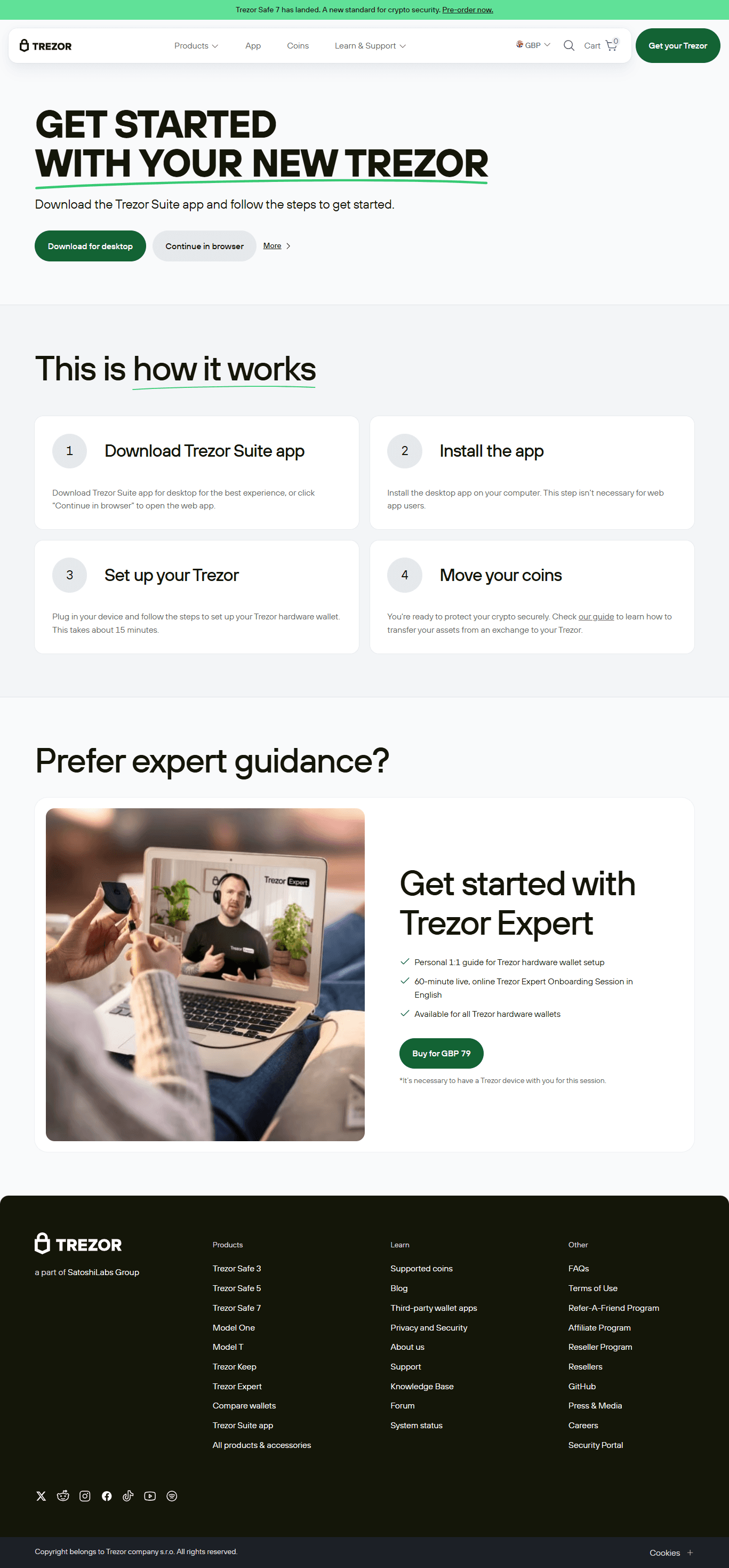
The official setup site, Trezor.io/start, is the recommended starting point for initializing and securing your Trezor device.
This comprehensive guide will walk you through the full onboarding process, including wallet setup, device activation, firmware installation, backup security, supported coins, and best practices to keep your crypto safe.
What Is Trezor? — A Quick Overview
Trezor is a cold-storage hardware wallet designed to store crypto offline, keeping it protected from malware, hacking attempts, and unauthorized remote access. Unlike software wallets stored on a phone or computer, a Trezor device isolates private keys within a secure physical environment.
Why Trezor Stands Out
FeatureAdvantageOffline storageImmune to online hacksOpen-source firmwareTransparent and community-verified securityPIN + PassphraseDual-layer protectionSeed backupEnables recovery even if the device is damaged or lostMulti-currency supportWorks with 9,000+ coins and tokens
With Trezor, you—not an exchange—own your crypto, eliminating the risks of centralized platform collapses or custodial mismanagement.
How to Begin — Visit Trezor.io/Start
To initialize any Trezor hardware wallet (Trezor Model One, Trezor Model T, or Trezor Safe 3), start by visiting:
🔗 Trezor.io/start
This official onboarding page ensures:
Authentic firmware downloads
Step-by-step security instructions
Compatibility verification
Avoidance of malicious software or phishing sites
Step-by-Step Trezor Setup Guide
1. Unbox Your Trezor Wallet
Inside the brand-new Trezor package, you should find:
Trezor hardware wallet
USB cable
Recovery seed backup cards
Instruction sheet
Security seal and hologram
If the original packaging looks tampered with, do not use the device and contact Trezor support immediately.
2. Connect Your Trezor Device
Plug the device into your computer or smartphone using the included USB cable.
Open a browser and go to Trezor.io/start.
Select your Trezor model when prompted.
3. Install Trezor Suite
To interact with your wallet, download Trezor Suite, the official desktop and mobile application.
Key features of Trezor Suite:
Send, receive, and store crypto
Portfolio and transaction tracking
Built-in coin swaps and buy/sell options
Privacy controls (Tor integration)
💻 Compatible with Windows, macOS, and Linux
📱 Mobile support depends on device model and OTG compatibility
4. Update Firmware
The device may prompt a firmware update. Firmware upgrades improve wallet security and ensure access to new features.
Approve the installation only through Trezor Suite to prevent malware or counterfeit firmware.
Never install firmware from any unverified source.
5. Create or Recover Your Wallet
You will be given two options:
Create New Wallet
Recommended for first-time users.
Trezor Suite will generate a new 12, 18, or 24-word recovery seed phrase.
Recover Wallet
If you previously owned a Trezor or another BIP39-compatible wallet, your funds can be restored using the recovery phrase.
6. Back Up Your Recovery Seed — Most Important Step
Your seed phrase is your master key. Anyone who has it can access your crypto.
Guidelines:
Write it physically on the provided seed cards.
Never type it into a computer, cloud storage, or photo app.
Never share it with anyone.
Store copies securely in separate, safe locations.
🛑 If you lose the seed phrase, no one—not even Trezor—can recover your crypto.
7. Set Up PIN & Passphrase Protection
A PIN protects your device from physical access; a passphrase adds another security layer.
SettingPurposePINPrevents unauthorized device usePassphraseCreates hidden wallets and protects your seed
For maximum protection, use both.
Supported Cryptocurrencies on Trezor
Trezor supports more than 9,000 cryptocurrencies, including:
Bitcoin (BTC)
Ethereum (ETH)
Litecoin (LTC)
Solana (SOL)
Cardano (ADA)
Binance Coin (BNB)
XRP
Polkadot (DOT)
Avalanche (AVAX)
Dogecoin (DOGE)
All ERC-20 and many other token standards
Support availability varies slightly between Trezor models due to chip differences.
Sending & Receiving Crypto Using Trezor
To Receive Crypto
Open Trezor Suite
Select your chosen cryptocurrency
Click Receive
Verify the receiving address on the Trezor device screen
Share this address for the transaction
To Send Crypto
Open Trezor Suite
Select Send
Enter the destination address and amount
Confirm the transaction on the device screen
Approve and broadcast to network
Buying, Exchanging & Swapping Crypto in Trezor Suite
Trezor Suite includes built-in financial services allowing users to:
Buy crypto using card or bank transfer
Sell supported cryptocurrencies
Swap assets for others seamlessly
All transactions happen with Trezor’s security protections active.
Privacy Features in Trezor Suite
Trezor provides multiple privacy-enhancing options:
Tor integration to mask connection data
Lockdown mode verifies authenticity using fingerprint checks
Hidden wallets with passphrase
Coin-control function to manage UTXOs manually
These tools defend against tracking, surveillance, and identity exposure.
Best Security Practices for Trezor Users
To maintain maximum protection of your assets:
🔐 Keep your firmware and Trezor Suite up-to-date
🗝 Never share your recovery seed phrase
🏦 Store backups securely offline
💻 Only download software from Trezor.io
🔌 Avoid connecting the wallet on public or shared computers
📜 Consider metal seed backups for fire/flood protection
If someone asks for your seed phrase or key, it is always a scam.
When to Use a Passphrase
A passphrase adds an extra security layer by creating a hidden wallet.
Suitable for:
High-value portfolios
Long-term holdings
Traveling with the device
Shared living environments
Without the correct passphrase, the hidden wallet cannot be accessed—even with the seed.
Trezor Model Comparison
FeatureTrezor Model OneTrezor Model TTrezor Safe 3Touchscreen❌✔❌Coin supportStandardExpandedExpandedPassphrase on-device❌✔✔PriceBudget-friendlyPremiumMid-rangeBest forNew usersPower usersSecurity-focused investors
All models follow the open-source and self-custody ethos.
Troubleshooting & Common Questions
Device not detected
Use a different USB cable
Try another USB port
Ensure Trezor Suite is installed
Forgot PIN
Reset device + restore using seed phrase
Lost device
Buy a new Trezor and restore with seed phrase
Seed phrase stolen
Move crypto immediately to a new wallet with a new seed
Why Trezor Is a Long-Term Crypto Security Solution
Owning a Trezor prepares you for:
Better long-term wealth protection
Protection against centralized exchange failures
Future scalability in the Web3 ecosystem
Hardware wallets are becoming essential for serious crypto investors — and Trezor remains the market leader in transparency, usability, and durability.
Final Thoughts — Your Crypto, Your Control
Setting up your Trezor through Trezor.io/start is the safest and most reliable way to begin your crypto security journey. Whether you're storing Bitcoin for the long haul or managing a diverse digital asset portfolio, a Trezor wallet gives you unmatched peace of mind.
By following the setup process carefully and applying best security practices, you take full control of your cryptocurrencies — permanently and securely.