Trezor.io/Start —
Cryptocurrency ownership is growing rapidly, and along with it comes the demand for absolute financial security. Whether someone is holding Bitcoin long-term or actively investing in altcoins, the biggest question remains the same: How do you protect your digital assets from theft, hacking, and cyber threats?
For millions of investors around the world, the answer is Trezor — a trusted, offline hardware wallet that gives users full control of their private keys.
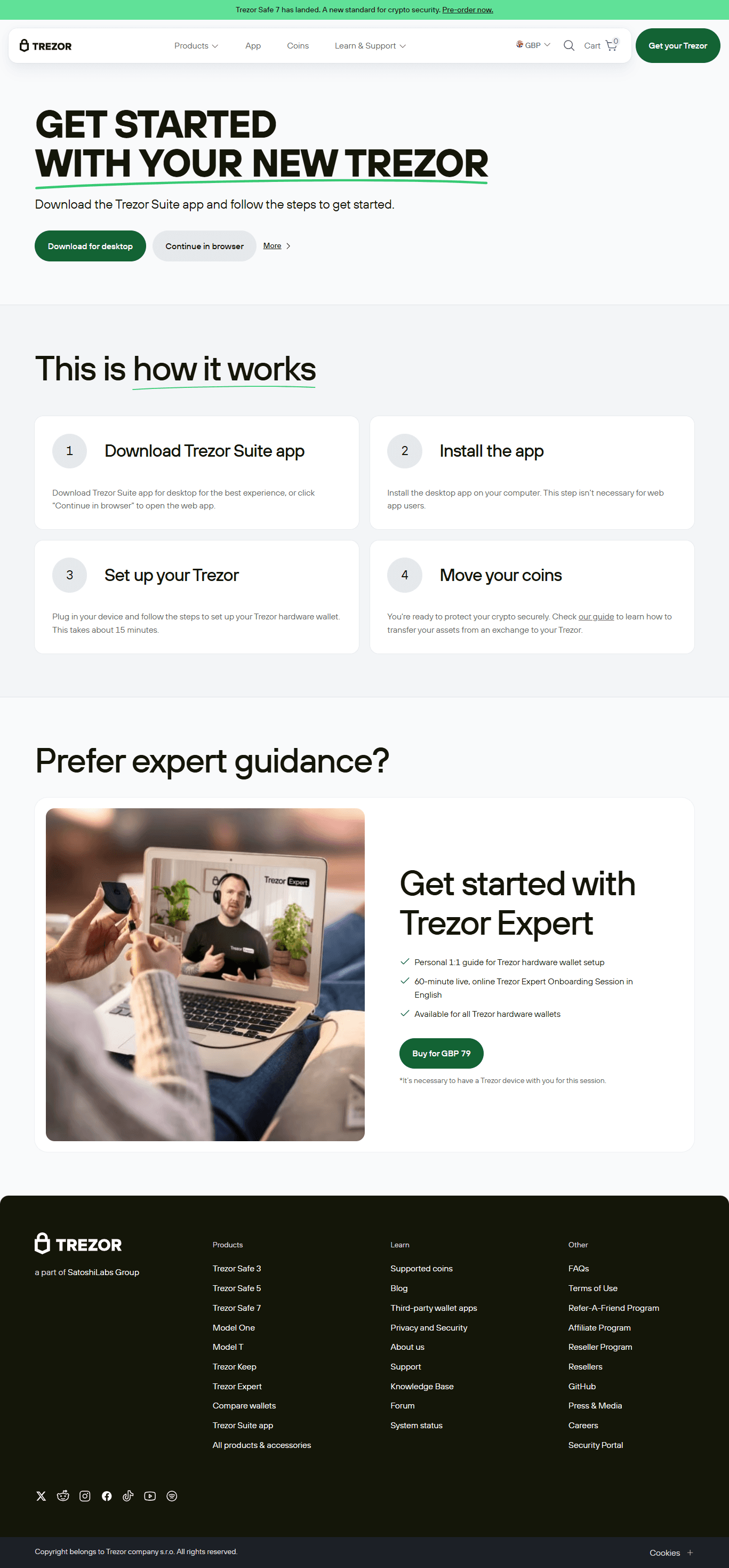
The safest way to begin using a Trezor device is by going through Trezor.io/start, the official onboarding portal that ensures a secure and smooth setup. This in-depth guide will explain exactly what Trezor is, how to set it up properly, how to secure your recovery seed, and best practices for using the device.
Understanding Trezor — What Makes It Different From Other Wallets?
Trezor is a hardware wallet, meaning it stores cryptocurrencies offline rather than on internet-connected devices like phones or computers. Hackers cannot access what is not online. Unlike exchanges or software wallets that rely on remote servers, Trezor gives users complete ownership of their crypto, without depending on a third party.
Benefits of Using Trezor
Full self-custody of digital assets
Offline storage ensures protection from malware and online attacks
Private keys never leave the device
Supports thousands of cryptocurrencies
Open-source code reviewed by the global security community
Easy-to-use interface even for beginners
In short: Trezor ensures that only you have access to your crypto — permanently.
Start Through the Official Source — Why Trezor.io/Start Matters
When setting up a hardware wallet, authenticity is critically important.
Visiting Trezor.io/start guarantees that you will:
Download the official, untampered software
Update trusted firmware
Follow validated instructions that protect your seed and funds
Avoid counterfeit setup websites built for phishing
Never download Trezor apps or firmware from unverified links — scammers often imitate crypto platforms to trick users.
The safest place to begin is always Trezor.io/start.
Step-By-Step Setup Process for Your Trezor Device
1. Open the Trezor Box
A new Trezor package should arrive securely sealed. A genuine kit includes:
Trezor device
USB cable
Two or more recovery seed cards
Instruction sheet
Hologram security seal
⚠ If the seal appears broken or modified, pause and contact customer support.
2. Connect the Device
Using the supplied USB cable, plug the Trezor wallet into your computer.
Open a secure browser (Chrome, Firefox, or Brave recommended) and navigate to:
🔗 Trezor.io/start
Select your device model from the page and continue.
3. Install Trezor Suite
To manage crypto with your wallet, download the official Trezor Suite application.
Inside Trezor Suite you can:
View balances and portfolio performance
Send and receive crypto
Buy, swap, and sell supported coins
View transaction history
Configure security settings
Trezor Suite runs on:
Windows
macOS
Linux
(Mobile support varies depending on cable / device compatibility)
4. Update Firmware
If your wallet is new, it will likely require a firmware installation before setup begins.
▶ Click Install Firmware in Trezor Suite
▶ Confirm the action on the device screen
Never install firmware from random downloads or emailed files — only from Trezor Suite.
5. Create or Restore a Wallet
Once firmware is updated, Trezor Suite will prompt you to:
Create a new wallet
Recover a wallet from an existing seed
Creating a new wallet is recommended if you’re starting fresh.
If you previously used another hardware wallet or Trezor device, a BIP39-compatible recovery seed can restore your funds.
6. Secure Your Recovery Seed — The Core of Crypto Safety
The next step is the most important in the entire setup:
You will be shown a recovery seed phrase — 12, 18, or 24 random words.
This phrase is the only way to restore your crypto if:
Your Trezor is damaged
Lost or stolen
Reset due to failed PIN attempts
Do this carefully:
✔ Write the seed phrase on the provided cards
✔ Store backup copies in safe places
✔ Consider a metal backup for fire/flood resistance
✘ Never take screenshots or digital photos
✘ Never store it in email, cloud storage, or chat apps
If someone asks for your seed phrase, it is a guaranteed scam — no exceptions.
7. Set PIN and Passphrase Protection
A PIN protects the physical device.
A passphrase creates an additional hidden wallet that can only be unlocked with a custom word or phrase that you choose.
FeaturePINPassphraseProtects from physical theft✔✔Protects from seed phrase exposure✘✔Creates hidden vaults✘✔Recommended for high-value cryptoModerateVery high
Users storing significant value are strongly encouraged to enable both.
Cryptocurrencies Supported by Trezor Hardware Wallets
Trezor supports over 9,000 coins and tokens, including major blockchain networks and their ecosystems. Examples:
Bitcoin (BTC)
Ethereum (ETH)
Solana (SOL)
Dogecoin (DOGE)
Litecoin (LTC)
Cardano (ADA)
Polkadot (DOT)
Avalanche (AVAX)
Binance Coin (BNB)
XRP
ERC-20 Tokens
Polygon (MATIC)
Stablecoins (USDT, USDC, DAI, etc.)
Support varies slightly depending on the Trezor model and integrated wallet providers, but new coins are added continuously.
How to Receive Crypto Using Trezor
Open Trezor Suite
Choose the cryptocurrency wallet you want to receive funds in
Select Receive
Copy the generated address
Confirm that the address on your computer matches the address on the Trezor device
Share the address with the sender
Never accept a receiving address that does not match what is shown on the Trezor screen.
How to Send Crypto Using Trezor
Open Trezor Suite
Click Send
Enter the recipient’s address and the amount
Choose a network fee (slow, normal, or fast)
Confirm the transaction on the computer
Final-authorize the transaction on the Trezor physical device
Funds will be broadcast to the blockchain network.
Buying, Selling & Swapping Crypto Directly in Trezor Suite
Without needing an exchange account, users can:
Buy cryptocurrencies via bank transfer or debit card
Sell selected assets for fiat payments (availability varies by region)
Swap cryptocurrencies instantly between supported pairs
All these actions happen while private keys stay protected inside the Trezor device.
Privacy and Anonymity Features in Trezor Suite
Trezor prioritizes privacy as much as security.
🔹 Tor network integration — hides IP and location
🔹 Lockdown mode — protects from unauthorized interference
🔹 Coin control — lets you choose specific UTXOs for transactions
🔹 Passphrase — makes wallets invisible without the password
These tools help users maintain financial privacy while interacting with blockchain networks.
Trezor Models Compared
FeatureModel OneModel TSafe 3ScreenStandardTouchscreenStandardPassphrase on-device❌✔✔Coin coverageLargeMaximumMaximumBudget$$$$$$Ideal forBeginnersAdvanced usersSecurity-focused
All models support self-custody and open-source architecture.
Troubleshooting & Common Questions
What if the Trezor device is stolen?
As long as the thief does not know your PIN or passphrase, they cannot unlock the wallet.
You can buy a new Trezor and restore using your seed phrase.
What if the seed backup is lost?
There is no way to recover the wallet without it — this is why secure backup storage is critical.
What if the firmware update does not install?
Try another USB cable, change ports, or restart the computer. Only update via Trezor Suite.
Can I keep multiple wallets on one device?
Yes — using passphrases you can create multiple hidden wallets.
Long-Term Crypto Security Tips for Trezor Owners
To keep your funds secure for years to come:
🔒 Never type your seed phrase into a computer
🛠 Keep Trezor Suite and firmware updated
📦 Consider backup redundancy in multiple secure locations
🚫 Avoid connecting your wallet to public devices
🔥 Upgrade to a metal seed backup for disaster resistance
⚠ Treat any request for your seed phrase as a scam
With these habits, your assets remain protected even in extreme scenarios.
Closing Thoughts — Trezor.io/Start Is the Gateway to Full Crypto Ownership
Setting up your hardware wallet through Trezor.io/start is the safest and most reliable way to begin your self-custody journey.
Once configured correctly, Trezor gives you:
Full control of your crypto
Protection from online attacks
A secure, private way to build long-term wealth
Peace of mind independent of exchanges or banks
Whether you’re holding a small amount or building a large portfolio, security should never be an afterthought — it should be the foundation. Trezor makes that foundation strong.